Author: admin

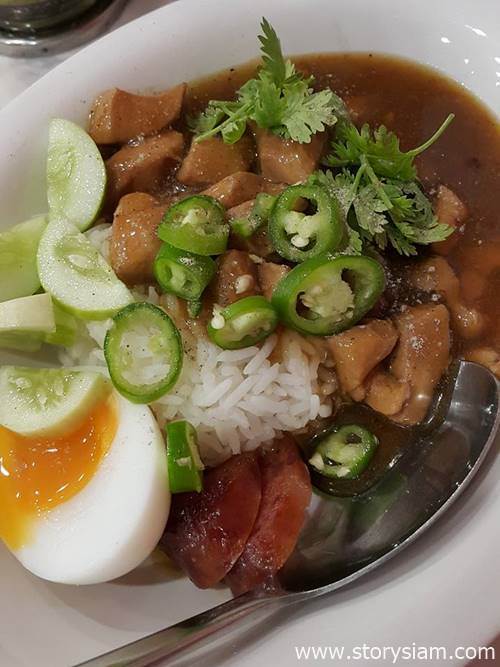
  • ข้าวอบไก่กุนเชียง

    ข้าวอบไก่กุนเชียง

    ข้าวสาร 2 ถ้วย
    เนื้ออกไก่หั่นเป็นชิ้น 100 กรัม
    กุนเชียงหั่นเป็นแว่น ๆ 1 คู่
    เห็ดหอมแช่น้ำให้นิ่มนำมาหั่นเป็นชิ้นบาง ๆ 3 – 5 ดอก
    กระเทียมสับละเอียด 1 ช้อนโต๊ะ
    ซีอิ้วขาว 1 ช้อนโต๊ะ
    พริกไทยป่น 1/ 2 ช้อนชา
    น้ำ 3 ถ้วย
    ซุปไก่ก้อน 1 ก้อน
    น้ำมันพืช 1 ช้อนโต๊ะ

    1. ตั้งน้ำพอเดือด ใส่ซุปไก่ก้อนลงไป คนให้ละลาย พอเดือดอีกครั้งยกลง พักไว้ให้เย็น

    2. นำข้าวสารมาซาวให้สะอาด แล้วผึ่งให้สะเด็ดน้ำ จากนั้นนำข้าวไปผัดกับน้ำมัน 1/ 2 ช้อนโต๊ะ ให้เข้ากัน แล้วตักข้าวใส่ภาชนะพักไว้

    3. ใส่น้ำมันที่เหลือลงในกระทะ ใส่เห็ดหอมลงไปเจียวกับน้ำมันให้หอม แล้วกันไว้ข้างหนึ่งของกระทะ จากนั้นใส่กระเทียมสับลงไปเจียวพอเหลือง จึงใส่ไก่ กุนเชียง และเห็ดหอม(ที่กันไว้ข้างกระทะ) ลงไปผัดให้เข้ากัน ปรุงรสด้วยซีอิ้วขาว พริกไทยป่น แล้วนำข้าวที่เตรียมไว้ลงผัดให้เข้ากัน

    4. ตักส่วนผสมที่ผัดเสร็จแล้ว ใส่ลงในหม้อหุงข้าวไฟฟ้า เติมน้ำซุปที่ต้มไว้ลงไป เสียบปลั๊กแล้วกดปุ่ม “ON” เหมือนหุงข้าวตามปกติ จนข้าวสุกระอุดี

    5. ตักข้าวใส่จานโรยหน้าด้วยพริกชี้ฟ้าแดงหั่นฝอย เสิร์ฟพร้อมแตงกวา ผักชี ต้นหอม

  • เทคนิคทอดหมูกรอบ

    เทคนิคทอดหมูกรอบ

    เริ่มต้นก็เอาหมูสามชั้น เลือกแบบให้เนื้อมากกว่ามันขนาดหนา 1 /2 นิ้ว ยาว 8 – 10 นิ้ว ความกว้าง 2+1/ 2 – 3 นิ้ว สัก 1 กิโลกรัม แล่ให้เป็นชิ้นยาว ล้างให้สะอาด นำไปต้มพอสุกจึงตักขึ้น ใช้ส้อมหรือเหล็กแหลมจิ้มเนื้อหมูแต่ละชิ้นให้ทั่ว (ต้องทำในขณะที่หมูยังร้อน ๆ) เสร็จแล้วพักไว้ ผสมซีอิ้วขาว 2-3 ช้อนโต๊ะ เกลือป่น 2 ช้อนชา น้ำมันหอย 1 ช้อนโต๊ะ และน้ำส้มสายชูหรือน้ำมะนาว 1 ช้อนโต๊ะรวมกัน เสร็จแล้วนำหมูที่ต้มสุกที่ใช้ส้อมจิ้มจนทั่วแล้ว ลงไปคลุกในเครื่องหมักให้เข้ากัน หมักทิ้งไว้ประมาณ 20 – 30 นาที แล้วนำไปทอด

    เวลาทอด ใช้กระทะก้นลึกใส่น้ำมันมาก ๆ ตั้งไฟจนน้ำมันร้อน ใช้ไฟแรงในช่วง 3 นาทีแรก หรือพอหมูหายเดือด จากนั้นใช้ไฟปานกลางค่อนไปทางอ่อน ทอดต่ออีกประมาณ 5 นาที เพื่อให้หมูกรอบนอก เนื้อในสุกและนุ่ม หรืออาจจะใช้วิธีอบแทนการทอดได้ โดยนำไปอบที่ไฟ 120 C ประมาณ 1/ 2 ชั่วโมง

  • ฮยอนบิน ในฐานะแบรนด์แอมบาสเดอร์คนใหม่ของแบรนด์ Amado

    ฮยอนบิน ในฐานะแบรนด์แอมบาสเดอร์คนใหม่ของแบรนด์ Amado

    สวัสดีครับ ผมฮยอนบิน
    สวัสดีครับ ผมฮยอนบิน เป็นนักแสดงครับ
    ผมดีใจมากที่ได้เป็นส่วนหนึ่งในครอบครัวอมาโด้
    ในฐานะพรีเซนเตอร์คนใหม่ ของผลิตภัณฑ์อมาโด้ เฮช-คอลลาเจน ไตรเปปไทด์
    ช่วงนี้ ผมขอให้ทุกคนรักษาสุขภาพ และขอให้ปลอดภัยจากโคโรน่าไวรัสนะครับ
    การที่ได้พบเจอกับแฟนคลับในประเทศไทย ยังคงตราตรึงอยู่ในความทรงจำของผม
    โดยเฉพาะรอยยิ้มต้อนรับที่แสนออบอุ่น
    ผมตั้งตารอที่จะได้กลับไปที่นั่นอีกครั้ง
    และได้พบเจอกันอีกทีด้วยรอยยิ้ม
    ขอบคุณครับ

    CR คลิบ: น้องเฟิร์น
    ภาพ : Amado Thailand

  • ขนมปังหน้าชีสอบ

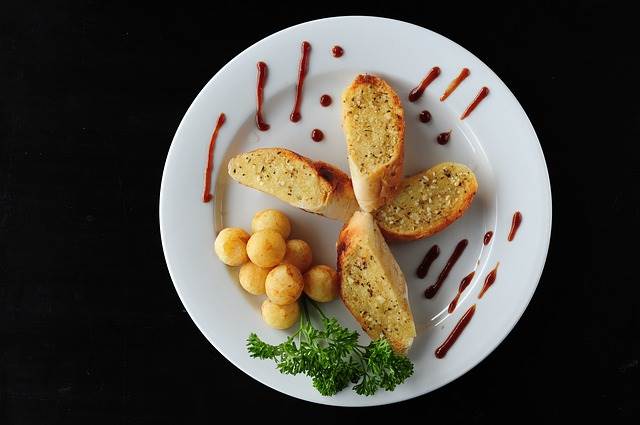
    ขนมปังหน้าชีสอบ

    พูดถึงชีส รสชาติคงรู้จักกันบ้าง มีหลากหลาย แต่ที่แน่ๆ มันๆ อาจมีเค็มบ้าง ถ้าเอามาทานกับขนมปัง แบบไม่ต้องคิด คงเอามาหั่นกันพร้อมๆ กัน แต่ ว่านะ ไหนๆ ลองมาทำให้มีรสชาติ และปราณีตขึ้นดีกว่า อบชีส !  ลองดู
    ส่วนผสม

    ขนมปังฝรั่งเศส 1      อัน
    ผักชีหั่นหยาบ 1/4      ถ้วย
    มะเขือเทศกระป๋อง 3      ช้อนโต๊ะ
    พาร์เมซานชีสขูด 1/4      ถ้วย
    เนยสด 60      กรัม


    วิธีทำ 

    1.  ผสมเนยสด พาร์เมซานชีส มะเขือเทศ ผักชี เข้าด้วยกัน พักไว้ 
    2.  หั่นขนมปังตามขวางให้เฉียงเล็กน้อย หนา 1/2 นิ้ว 
    3.  นำส่วนผสมเนยในข้อ 1 มาทาให้ทั่วขนมปัง ประกบกันเหมือนเดิม ห่อด้วยอะลูมินั่มฟอยล์ นำไปอบไฟ 250 องศาฟาเรนไฮต์ พอสุกหอม เอาออกจากเตา เสิร์ฟร้อนๆ

  • THE FIRST SERMON

    The Truth that the Buddha realized is universal. In Buddhist terminology it is known as Dharma, or Dhamma in Pali. The realization of the Dharna was the result of a long and arduous spiritual quest. The Buddha attained enlightenment through his own efforts, without any help from a teacher. His knowledge was full and complete, ultimaate and perfect, in all respects.

    After enlightenment. The Buddha continued to remain for seven weeks in the vicinity of the Bodhi tree, reflecting on the Truth he had discovered. It became clear to him that what he had realized could not be easily understood by ordinary people, shrouded in ignorance (avijja) and overcome by hate and lust.

    The Buddha therefore hesitated for a moment if it would not be futile to teach the Dharma to the world. His boundless compassion, however, gave him a second thought and he saw that people were of different levels of intellect and perfection. Those who had “less dust in their eyes”, i.c., not too ignorant or spiritually blind, would be able to “see” the Dharma and benefit from it. He therefore decided to begin his noble mission to lead the world out of ignorance and suffering.

    The Buddha then stared for Benares (Varanasi) in search of the five ascetics. There, at the Deer Park near the city, on the fullmoon of the month Asalha (June-July) he delivered to them the first sermon which came to be known as Dhammacakkappavaattana Sutta or “Setting into Motion the Wheel of Dharma.” The name of the sermon symbolizes the beginning of a spiritual movement that would permanently affect the religious history of the world.

    The five ascetics who listened to the first sermon were Kondanna, Vappa, Bhaaddiya, Mahanaama, and Aassaji. Of these, Kondanna was the first to realize the Buddha’s first disciple.

    The Wheel of Dharma, set into motion for the benefit and well- deing of mankind, connot be stopped, and the following conturies centuries witnessed its advance into many lands and nations. Buddhism has since been qualified as one of the major world religions and is still a spiritual power to reckon with.


  • THE SEARCH AND THE ENLIGHTENMENT

    Prince Siddhattha, now an ascetic, roamed from place to place, sleeping mostly in forests or thick jungles and eating only what was offered him by the common people. He visited several spiritual teachers for instruction and discussion, but soon found their knowledge to be either imperfect or wrong. He knew that such knowledge could never lead him to the Ultimate Truth. Notable among these teachers, however, were Alara Kalama and Uddaka Ramaputta who taught Siddhattha the first seven and the eighth Absorptions, respectively. Such were considered great achievements in those days, but even these were not the right way to enlightenment that Siddhattha was searching for.

    He therefore began to make experiments on his own. Self-mortification was a popular practice in those days, generally believed to help man to attain salvation. He tried the most difficult practices of self-mortification and almost died in the process, yet the result was not better than the past experiences. But he did not give in. Instead, he began to re-examine his past efforts to find new and better method that would finally overcome the spiritual ills of

    the world. All these expriments and practices took six long years.

    During this period of austerities and hardships. Siddhattha was attended to by a group of five ascetics, headed by Kondanna who had, in the former’s infancy, singularly predicted that he would definitely become a Buddha. They all believed that through severe self-mortification the prince ascetic would certainly achieve the goal of enlightenment. They also hoped that if Siddhattha attained enlightenment, they would then be the first to learn the right way from him.

    Seeing, however, that he had finally given up the practice of self-mortification and turned instead to the experimentation of pure meditation practice, the lost faith in him and decided to part company, leaving the determined Bodhisatta all alone by himself in the midst of wilderness and jungle beasts.

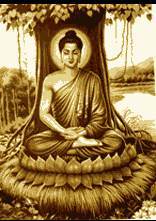
    Then, one Visakha night, as he was seated under a Bodhi tree on the bank of River Neranjara in Bodh-Gaya (Buddha-Gaya) meditating with his mind concentrated and purified, he finally developed the supranormal knowledge that ultimately destroyed all kinds of passions and mental defile-ments in him and gave him pentrative insight into all phenomena in their true state. The Bodhisatta at last became fully enlightened. He had become the Supreme Lord Buddha.

    To attain enlightenment means to destory all mental impurities so one’s mind becomes perfectly pure and free from all traces of evil and to gain the special intuitive insight into all realities.

    With enlightenment, Siddhattha became the Buddha, the Enlightened One (or the Awakened One), a man far superior to all other beings in wisdom and spiritual attainments. The day of enlightenment was the Visakha fullmoon. He was then exactly thirty-five years old
     

  • THE BIRTH OF THE BUDDHA

    THE BIRTH OF THE BUDDHA

    THE BIRTH OF THE BUDDHA

    The birth of a Buddha is a very rare occasion and, whenever it occurs, it brings great happiness to the world. The birth of our Lord Buddha has been the greatest blessing in the whole history of mankind.

    “Buddha” is a Pali word. It is not a name, but a title meaning the “Enlightened One”

    or the “Awakened One.” The Buddha’s personal name was Siddhattha and his clan name was Gotama. Thus he was also referred to as “Siddhattha Gotama” (Skt. Siddhartha Gautama). Few, however, use these names; people usually call him the Buddha.

    Long, long ago, in the sixth century B.C., near the Himalayas was a city called Kapilavatthu. It was the capital of the Sakyans, a tribe of the Aryan race that lived chiefly in the North of India. Suddhodana was then their king (raja). His chief consort was Maaha Maya (or simply “Maya”). They both belonged, by general existing convention, to the warrior or ruling caste, the highest in the caste hierarchy of the days. This fine royal couple was eventually destined to become the parents of the greatest man ever born – the Buddha.

    On the fullmoon day of the month Visakha (April-May) in the year 623 B.C., a son was born to them in Lumbini Park near Kapilavatthu. Five days later, amid much rejoicing and celebration, a grand ceremony took place in the palace and the infant was given the name Siddhattha, signifying thereby the fulfilment of his parent’ long-cherished dreams and aspirations.

    In accordance with the custom of the time, many learned Brahmins were invited to the palace for the naming ceremony. Among them were eight men of distinguished erudition. Examining the physical signs of the child, seven of them predicted that he would become either a Universal Monarch or a Buddha. But Kondanna, the youngest, who excelled all the others in knowledge, declared that he would definitely renounce the world and become

    the Buddha.

    India in the sixth century B.C. was divided into sixteen states (janapada), each with its own ruler and government. The subcontinent was rich and prosperous, and rivalry among the more powerful states for economic and political supremacy was common, which at times erupted into military struggle and war. It was generally characterized by advanced civilization and spiritual unrest. Brahmanism was the dominant force, but non Brahmanic philosophical systemes were also being developed. Men were engaged in spiritual pursuit. Practicing and teaching what they held to be of the highest values. It was born and it was amongst such people that he later preached during his mission years.


  • กลทายเลข หัวคำนวณอัจฉริยะ

    กลทายเลข หัวคำนวณอัจฉริยะ

    ลักษณะ
           ผู้แสดงสามารถทายได้ว่า ผลลัพท์การบวกเลขที่ผู้แสดง และผู้เล่นสลับกันเขียนตัวเลข
    ได้ผลลัพท์เท่าไหร่ ทั้งที่เลขมีจำนวนหลายหลักมากและมีหลายตัวด้วย
           อุปกรณ์
             1. กระดาษ 1 ใบ
             2. ปากกา 1 ด้าม
    การแสดง
             1. ให้เพื่อนเขียนตัวเลขจำนวนหนึ่งประมาณ 5 หลัก
             2. แล้วให้คุณเขียนเลขจำนวนหนึ่ง 5 หลักเท่ากันใต้ตัวเลขของเพื่อน
             3. แล้วให้เพื่อนอีกคนหนึ่งเขียนต่อข้างใต้อีก 5 ตัว (เพื่อนคนเก่าก็ได้)
             4. แล้วคุณเขียนอีกจำนวนหนึ่งใต้เลขที่เขียน
             5. ทำไปเรื่อย ๆ คือ เพื่อนเขียนที คุณเขียนที จนได้ตัวเลขมากมาย
             6. คุณกลับสามารถบวกเลขทุกจำนวนได้อย่างทันที อย่างไม่น่าเชื่อ
    เทคนิค
    แถว 1         เช่น เพื่อนเขียน 1 2 3 4 5
    แถว 2               คุณเขียน 8 7 6 5 4

    แถว 3             เพื่อนเขียน 3 4 7 6 5
    แถว 4               คุณเขียน 6 5 2 3 4

    แถว 5             เพื่อนเขียน 1 7 8 9 5
    
                 เท่านี้ตอบได้เลยว่าตอบ 217893
    
             เคล็ดลับ ให้เพื่อนเขียนก่อน 5 หลักหรือกี่หลักก็ได้
             แล้วคุณเขียนต่อข้างล่าง โดยเลขที่คุณเขียนทุกตัวในแต่ละหลักจะต้อง
             บวกกับเลขตัวบนของเพื่อนในหลักเดียวกันได้ 9 ตลอด จากตัวอย่าง
             จะเห็นว่าแต่ละหลักในแถว 1 และแถว 2 จะบวกกันได้ 9 หมดทุกหลัก
             โดยคุณต้องเขียนตัวเลขที่บวกกับหลักแถวบนแล้วได้ 9 ลงไปนั่นเอง
             ทำอย่างนี้สลับกันไปจะกี่ครั้งก็ได้ แต่ต้องลงท้ายครั้งสุดท้ายด้วยตัวเลขที่
             เพื่อนคุณเขียน คือให้เพื่อนคุณเขียนเป็นคนสุดท้ายดังตัวอย่าง
             โดยเลขที่เพื่อนเขียนจำนวนนี้จะเป็นส่วนหนึ่งของคำตอบนั่นเองโดย
             ให้คุณนับคู่จำนวนตัวเลขว่ามีกี่คู่ จากตัวอย่างมี 2 คู่(ไม่นับตัวเดี่ยว
             ตัวสุดท้าย) คือ แถวที่ 1 กับ 2 เป็นคู่แรก
                         แถวที่ 3 กับ 4 เป็นคู่ที่ 2
             ให้เอาจำนวนคู่นี้ไปลบกับเลขจำนวนสุดท้ายที่เพื่อนเขียนคือ
             17895 - 2 = 17893
             แล้วเอาเลขจำนวนคู่ไปต่อหน้าเลขจำนวนนั้นก็จะได้คำตอบทันที
             2 --> 17893 = 217893 ตอบ
             ง่ายมากครับ ลองทำดูไม่เข้าใจสอบถามได้ครับ


  • เข็มกลัดทายใจ

    เข็มกลัดทายใจ

    ลักษณะ
        ผู้แสดงจะมีเข็มกลัด ที่เสียบลูกปัดไว้ข้างใน 1 ลูก และมี 3 ชุด กล่าวคือ
    1 ชุด จะมีทั้งเข็มกลัดที่เสียบลูกปัดและลูกปัด และแต่ละชุดมีลูกปัดที่เสียบไว้ต่างสีกัน
    ผู้แสดงจะให้ผู้ชมเลือกไป 1 ชุด แล้วสามารถทายถูกได้ว่าผู้แสดงเลือกลูกปัด
    สีใด
    
    อุปกรณ์
             1. เข็มกลัดซ่อนปลาย 3 อัน
             2. ลูกปัด 3 อัน สีไม่ซ้ำกัน
    การแสดง
             1. ให้เตียมการก่อนคือ ชุดแรกให้ฝนปลายเข็มกลัดให้ทู่
             2. ชุดที่ 2 ไม่ต้องทำอะไร
             3. ชุดที่ 3 ใช้ครีมบีบปลายเพื่อไม่ให้เปิดเข็มกลัดได้
             4. เริ่มเล่นได้ เมื่อผู้ชมเลือกแล้ว ให้ส่งให้ผู้แสดงทางด้านหลัง
             5. ผู้แสดงก็เพียงจำว่า ลูกปัดที่ใส่ในปลายเข็มทู่ สีอะไร ปลายแหลมสีอะไร
                เปิดไม่ออก สีอะไร ก็จะสามารถตอบได้ทันทีครับ


  • กล่องแสนกล

    กล่องแสนกล

    ลักษณะ
    มีกล่องไม้ขีดเปล่าวางอยู่บนโต๊ะ 3 กล่อง ผู้แสดงใส่เหรียญลงไปในกล่อง 1 กล่อง
    แล้วสลับไปมา ผู้ชมทายไม่ถูกว่ากล่องไหน
    อุปกรณ์
             1. กล่องไม้ขีดเปล่า 4 กล่อง
             2. เหรียญสลึง 1 เหรียญ
    การแสดง
             1. เอากล่อง 1 กล่องใส่เหรียญไว้ก่อนแอบซ่อนไว้ตรงแขนโดยใช้เทปติดไว้
             2. ต้องใส่เสื้อแขนยาวในการแสดง
             3. วางกล่องเปล่า 3 ใบบนพื้นแสดงให้คนเห็นว่าไม่มีอะไร
             4. ยืมเงินจากผู้ชม 1 สลึงใส่ลงไปในกล่องใดกล่องหนึ่ง
             5. แล้วสลับไปมาโดยให้ผู้ชมดูทัน
             6. แล้วถามผู้ชมว่ากล่องไหนมีเหรียญ เขาจะทายถูกแต่เราจะไม่หยิบ
                กล่องที่เขาทาย จะหยิบกล่องอื่นที่ไม่มีเหรียญแล้วบอกว่า กล่องนี้
                ต่างหาก พร้อมทั้งเขย่าให้ได้ยินด้วย (จริงๆเสียงมาจากกล่องที่
                เราแอบซ่อนเอาไว้ต่างหาก) ผู้ชมจะไม่มีทางทายถูกเลย